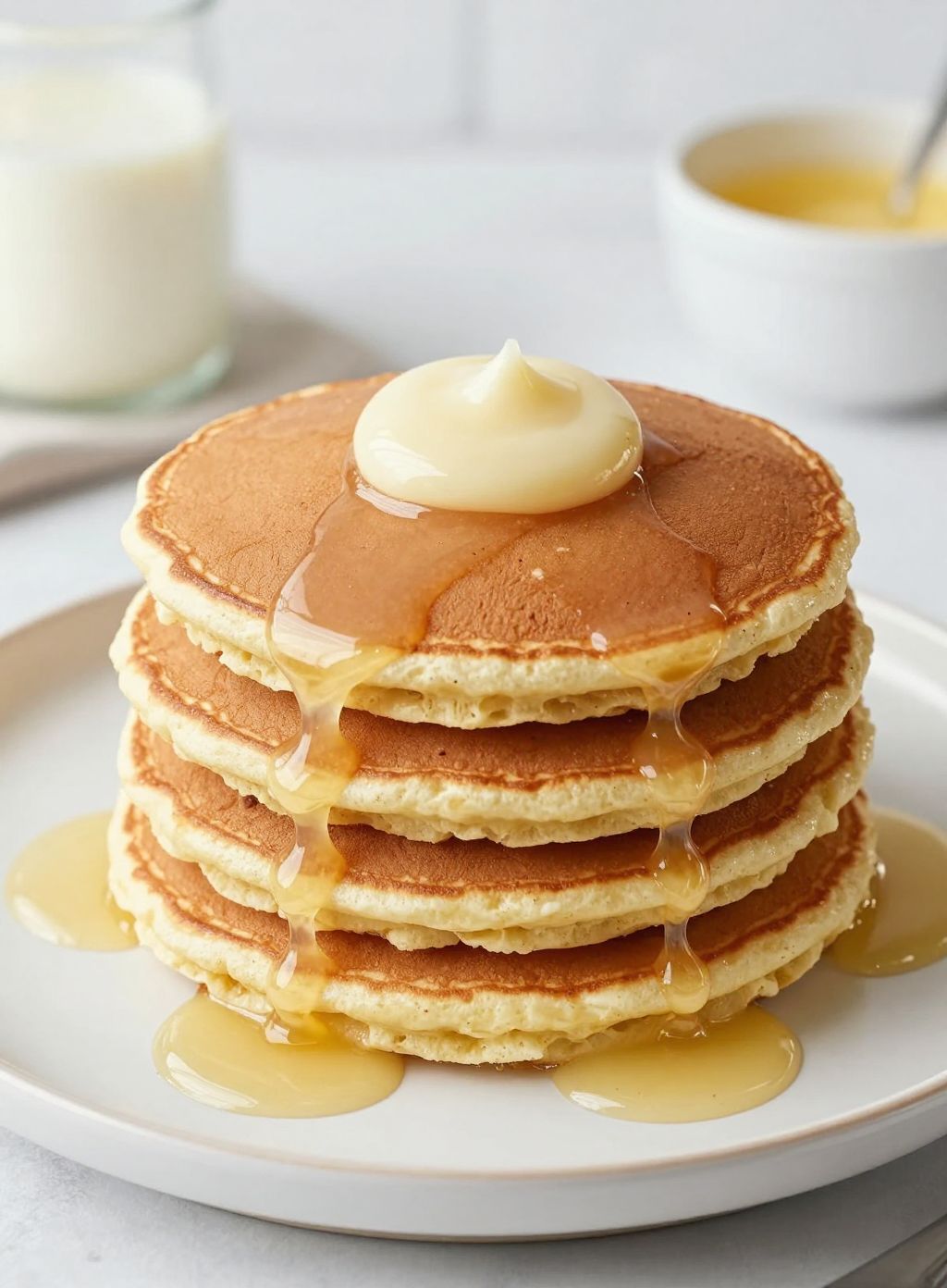
There’s nothing quite like a towering stack of diner-style buttermilk pancakes—golden on the outside, impossibly fluffy on the inside, and soaked in warm maple syrup. These are the pancakes that feel indulgent yet comforting, the kind you order on weekends and wish you could recreate at home.
The good news? You absolutely can.
This recipe delivers the fluffiest buttermilk pancakes ever, using simple pantry ingredients and a few professional techniques that make all the difference. Today, I’m sharing five proven secrets that turn ordinary pancakes into tall, tender, cloud-like stacks—just like your favorite American diner.
Why Buttermilk Pancakes Are Superior
Buttermilk pancakes are a classic for a reason. Compared to regular pancakes, they offer:
- Extra tenderness from the acidity in buttermilk
- Better rise when paired with baking soda
- Balanced flavor that’s rich but not overly sweet
- Soft, moist interiors with lightly crisp edges
The acidity of buttermilk reacts with leavening agents, creating tiny air bubbles that expand on the griddle—this is key to a fluffy texture.
The 5 Secrets to Diner-Style Pancake Fluff
1. Use Real Buttermilk
True buttermilk is thick, tangy, and essential for lift. If you must substitute, mix 1 cup milk with 1 tbsp lemon juice or vinegar—but real buttermilk gives the best results.
2. Don’t Overmix the Batter
Overmixing develops gluten, which leads to tough pancakes. A few lumps are not only okay—they’re encouraged.
The batter should look thick, slightly lumpy, and relaxed.
3. Let the Batter Rest
Resting the batter for 10–15 minutes allows the flour to hydrate and the leavening to activate, resulting in taller pancakes.
4. Cook Low and Slow
Medium-low heat gives pancakes time to rise before setting. High heat browns too fast and prevents full lift.
5. Flip Once—and Only Once
Flip when bubbles form and edges look set. Multiple flips deflate the batter and reduce fluff.
Ingredients
For the Pancakes
- 2 cups (250 g) all-purpose flour
- 2 tbsp granulated sugar
- 1 tsp salt
- 1 tsp baking powder
- 1 tsp baking soda
- 2 cups (480 ml) buttermilk, room temperature
- 2 large eggs, room temperature
- 4 tbsp unsalted butter, melted and cooled
- 1 tsp vanilla extract
For Cooking
- Butter or neutral oil for the griddle
Step-by-Step Instructions
Step 1: Mix the Dry Ingredients
In a large bowl, whisk together flour, sugar, salt, baking powder, and baking soda.
Step 2: Mix the Wet Ingredients
In a separate bowl, whisk together buttermilk, eggs, melted butter, and vanilla extract.
Step 3: Combine Gently
Pour the wet ingredients into the dry ingredients. Stir gently with a spatula or whisk just until combined. The batter should be thick and slightly lumpy.
Let the batter rest for 10–15 minutes.
Step 4: Preheat the Griddle
Heat a nonstick skillet or griddle over medium-low heat. Lightly grease with butter or oil.
Step 5: Cook the Pancakes
Scoop ¼ cup of batter onto the griddle for each pancake.
Cook until bubbles form on the surface and the edges look set, about 2–3 minutes. Flip once and cook another 1–2 minutes until golden brown.
Step 6: Serve Immediately
Stack pancakes high and serve warm with butter and maple syrup.
Pancake Topping Ideas
- Pure maple syrup
- Whipped butter
- Fresh berries
- Chocolate chips
- Crispy bacon or sausage
- Powdered sugar
Troubleshooting Common Pancake Problems
- Flat pancakes: Batter overmixed or griddle too hot
- Dense texture: Old baking soda or skipping batter rest
- Burning outside, raw inside: Heat too high
- Dry pancakes: Overcooking or too much flour
Make-Ahead & Storage Tips
- Refrigerate batter for up to 24 hours
- Store cooked pancakes in the fridge for 3 days
- Freeze pancakes between parchment for up to 2 months
- Reheat in toaster or oven for best texture
Why This Recipe Works
This recipe uses:
- Proper acid-to-leavening balance
- Rested batter for hydration
- Controlled heat for maximum rise
- Simple ratios that produce consistent results
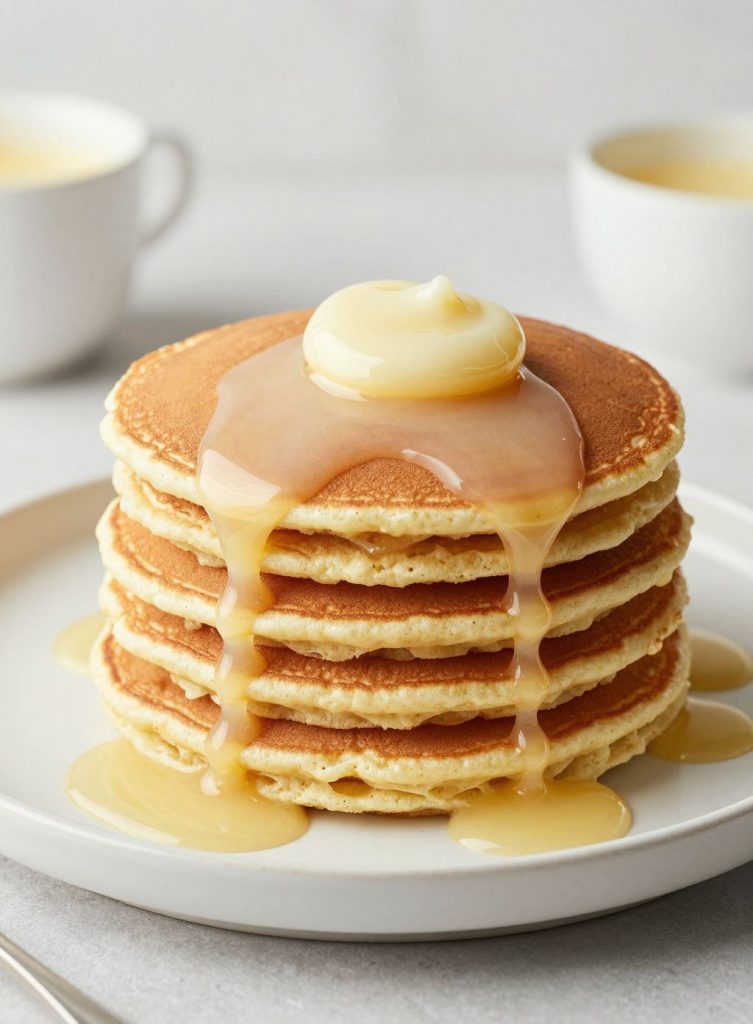
The result is pillowy pancakes with crisp edges and soft centers, every single time.
Final Thoughts
Once you master these five diner-tested secrets, you’ll never settle for flat pancakes again. These Fluffiest Buttermilk Pancakes Ever are everything a great breakfast should be—comforting, indulgent, and incredibly satisfying.
Whether it’s a slow Sunday morning or a special brunch, this recipe delivers a true diner-style stack right at home.
🥞✨ Tall, tender, and absolutely irresistible.